|
Bonnie D. Parkin
Relief Society General President
Address given at the Fall 2003 Open House
During the Spring 2003 Open House we shared with you the March 19, 2003, letter from the First
Presidency regarding helping young women with the transition into womanhood. As a Relief
Society presidency we invited the Young Women and Primary general presidencies and boards to
ask their ward Relief Society presidents to assign them a transitioning young woman as their
visiting teaching companion. The mentoring that occurred was exciting! Let me share one
experience from a board member.
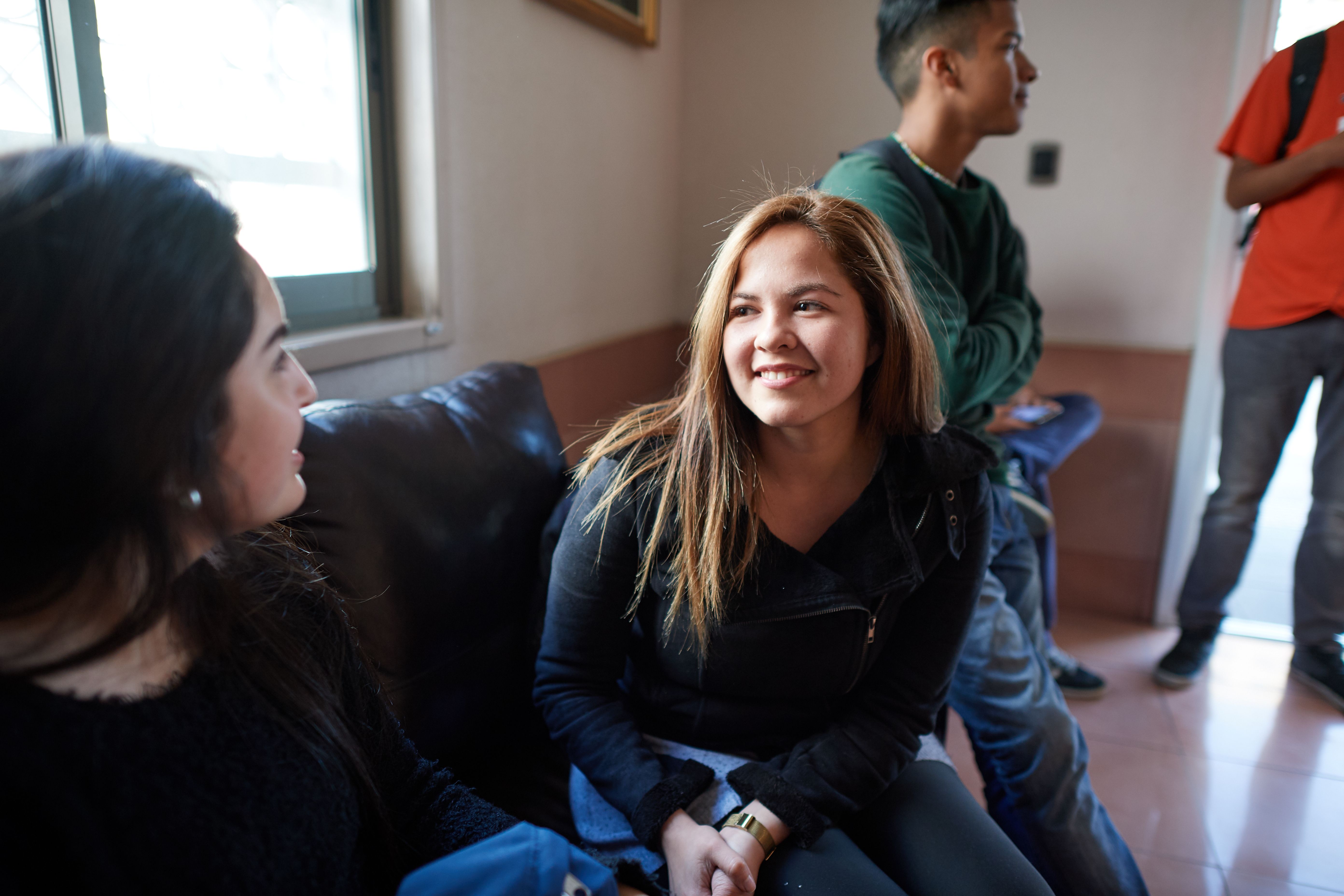
This sister's Relief Society president was thrilled with the idea. Of the 10 young women graduating
from high school in their ward, all but one would go away to college in the fall. The transitioning
young woman who would remain in the ward was assigned as the board member's visiting teaching
companion. While this young woman's mother served as a visiting teacher, her efforts took the
form of treats on the doorstep instead of visits in the home.
The first time this new companionship met, the board member took the opportunity to explain the
purpose of visiting teaching, testify of its importance, and discuss the message together. The young
adult sister companion offered the prayer before they made their first visit.
When the board member reported to her ward president, the president explained how her request to
visit teach with a transitioning young woman had inspired her to meet with all of the new young
adult Relief Society sisters to teach them about visiting teaching. This Relief Society presidency
met individually with each of the 10 girls. They also held a visiting teaching meeting for these new
sisters during the three summer months where they discussed what visiting teaching is, how to be a
visiting teacher, and how to give the monthly message.
In the past, the majority of this ward's transitioning young adult sisters had stayed in Young
Women until they left for college. This year, however, these transitioning young adults faithfully
attended Relief Society each week. What a strength, what a resource these young sisters would
bring to their college wards! And when they return home for visits, attending Relief Society will
also be a "coming home."
One young adult sister shared the following when asked the question, "When do you believe the
'transition' begins from Young Women to Relief Society?" Her response: "I'll tell you when it
doesn't beginit doesn't begin when you're a senior in high school. It really begins when you first
enter the Young Women program. Now that I'm serving as the president of the singles' ward Relief
Society, I think that the Young Women program helps to prepare you for when you enter the great
sisterhood of Relief Society."1
And this sisterhood, according to page 206 in the Church Handbook of Instructions, includes "all
sisters in the ward are members of Relief Society regardless of their Church assignments." As
"Relief Society leaders [we must] make a special effort to include sisters who serve in the Primary
and Young Women organizations."2
Introduction
One morning only a few weeks ago I received an e-mail from a college friend. She wrote, "Ray
died this morning." And then she said, "Visiting teaching works. It really works." She didn't need
to say any more. I could picture in my mind her visiting teachers there at her side helping her,
giving her encouragement and strength, and most of all, love. Her words have resounded in my
mind since that morning. Here was my dear friend bearing testimony to me that what we call
visiting teaching is really so much more than a visit or a thought. It's how we connect with one
another and have someone to rely on, someone to help, someone to turn to when things fall apart,
someone who wants us to draw closer to the Lord. Visiting teaching works, and that's my message
to you today. Visiting teaching is the heart and soul of Relief Society.
How has visiting teaching touched your life? When have you had an e-mail or a phone call like
mine? Were you the one listening or the one saying the words: "Help me." "Come now." "This is hard." "I don't think I can do this." "I have a question about the gospel." "Where can I turn for peace?"
Have you felt the Spirit nudge you to a sister's home? Have your visiting teachers shown up on
your doorstep unexpectedly when you needed them most? The Lord put in place visiting teaching
for "such a time as this."3 In Mosiah 18 we read:
"And now, as ye are desirous to come into the fold of God, and to be called his people, and are
willing to bear one another's burdens, that they may be light; Yea, and are willing to mourn with
those that mourn; yea, and comfort those that stand in need of comfort, and to stand as witnesses of
God at all times and in all things, and in all places that ye may be in, even until death, that ye may
be redeemed of God, and be numbered with those of the first resurrection, that ye may have eternal
life."4
Mourn, comfort, stand as witnesses. All of those promises came together for my friend. "Visiting
teaching works," she said. She was acknowledging that the Lord had prepared for this moment. He
had sent her two sisters who had entered into a covenant with Him. They were not plucked out of
nowhere to answer an alarm at a home they did not know. They were sisters in the gospel who
understood their charge to do this work with heart and soul.
That's the essence of visiting teaching. I can think of no more appropriate description than "heart
and soul." In our visits and those moments when we are sharing our thoughts and feelings about the
gospel and the Lord, something happens. Mosiah describes it as "hearts knit together in unity and in
love one towards another."5 Isn't that what we want to have happen for each other? Isn't that what
my friend said in her e-mail, "Visiting teaching works"? She had felt unity, love, compassion, and
charity.
We visit teach because we've made covenants with the Lord, and they are fulfilled as we share our
hearts and souls. We visit teach to extend charity, which is the "highest, noblest, strongest kind of
love."6 Visiting teaching is all about family. As we show charity to those we serve, we become
family by affection. We all belong to the Lord's family, and when we serve sistersand through
them their familieswe strengthen the family as designed in the heavens.
Covenants, charity, family. They have connected our sisterhood from the beginning. When we were
called as a presidency, we promised the Lord that we would help encourage sisters worldwide to
feel the love of the Lord in their lives daily as they keep their covenants, exercise charity, and
strengthen families. Visiting teaching brings that love of the Lord to every home.
Let me share an example. "Whenever I am in Relief Society I feel like I am home. About eight years ago, I was assigned to
visit teach an elderly sister in my ward. I was 25 and she was 80. She let me in with a smile and
immediately let me into her heart. I was only her visiting teacher for one month, but she has been
one of my greatest blessings. In her I have found a mother and a grandmother. She has taught me
how to can, sew, quilt, and serve. She has helped me deal with challenges, childlessness, and she
celebrated with me when we were blessed with three sons through adoption. Because my own
mother was unable to attend the temple, she held my precious baby at the altar when he was sealed
to us. I have sat at her bedside in the hospital when she got sick. We have laughed like girls do and
learned from each other. I am so grateful that the Lord would give me such a precious gift through
the Relief Society. I cringe to think of what would have happened had I not done my visiting
teaching."7
Watchcare
Visiting teaching creates connections for women. Can you see how an older sister and younger
sister blessed each other's lives? Sisters, do we understand the purpose of visiting teaching? Let's
look at what the handbook says: "The purposes of visiting teaching are to build caring relationships
with each sister and to offer support, comfort, and friendship. In visiting teaching, both the giver
and the receiver are blessed and strengthened in their Church activity by their caring concern for
one another."8
Support, comfort, and friendship. This is what we call watchcare. Do you see that as we watch and
care for another sister—meeting her needs, strengthening her, increasing her faith and testimony in
Jesus Christwe are engaged in watchcare?
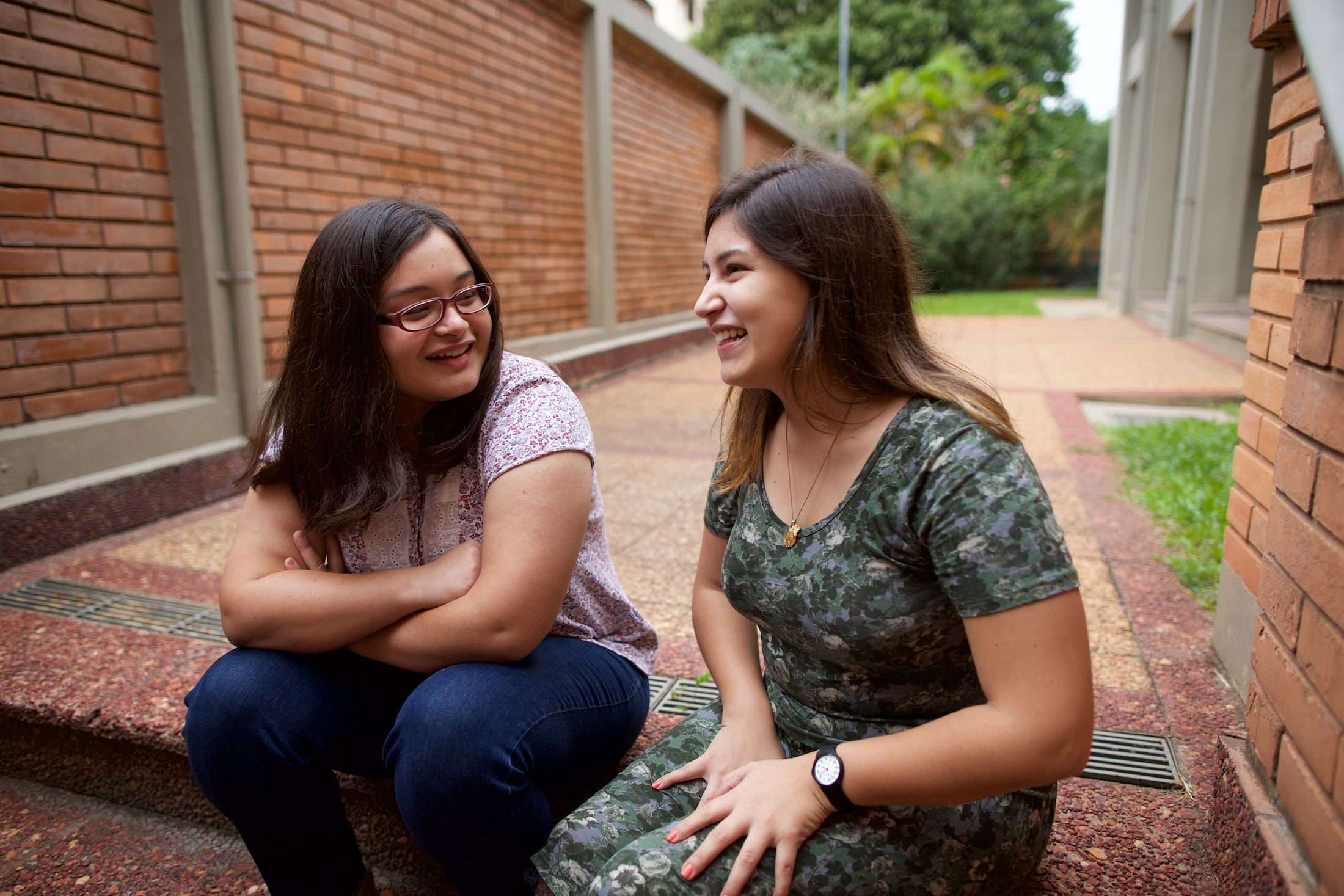
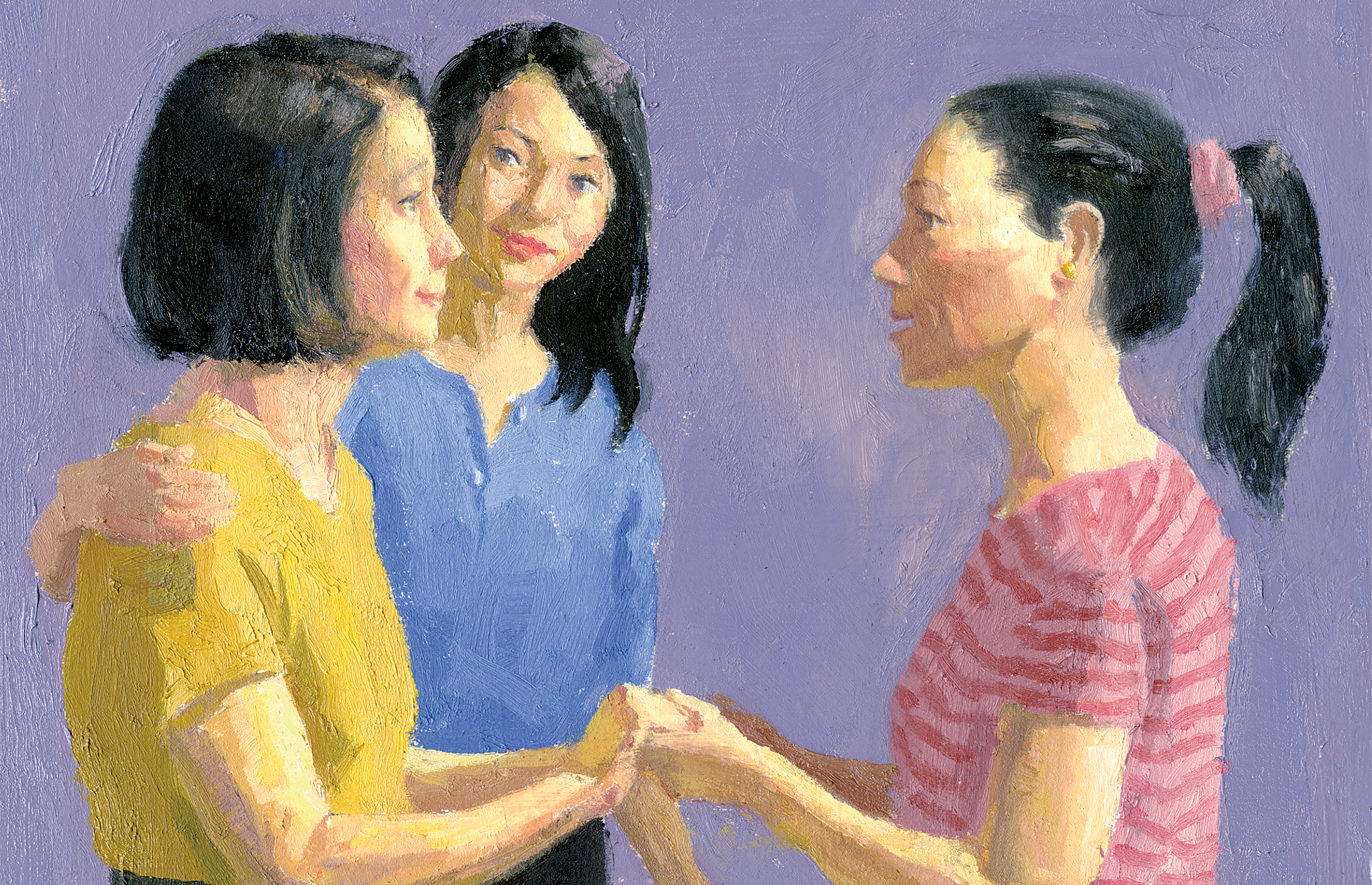
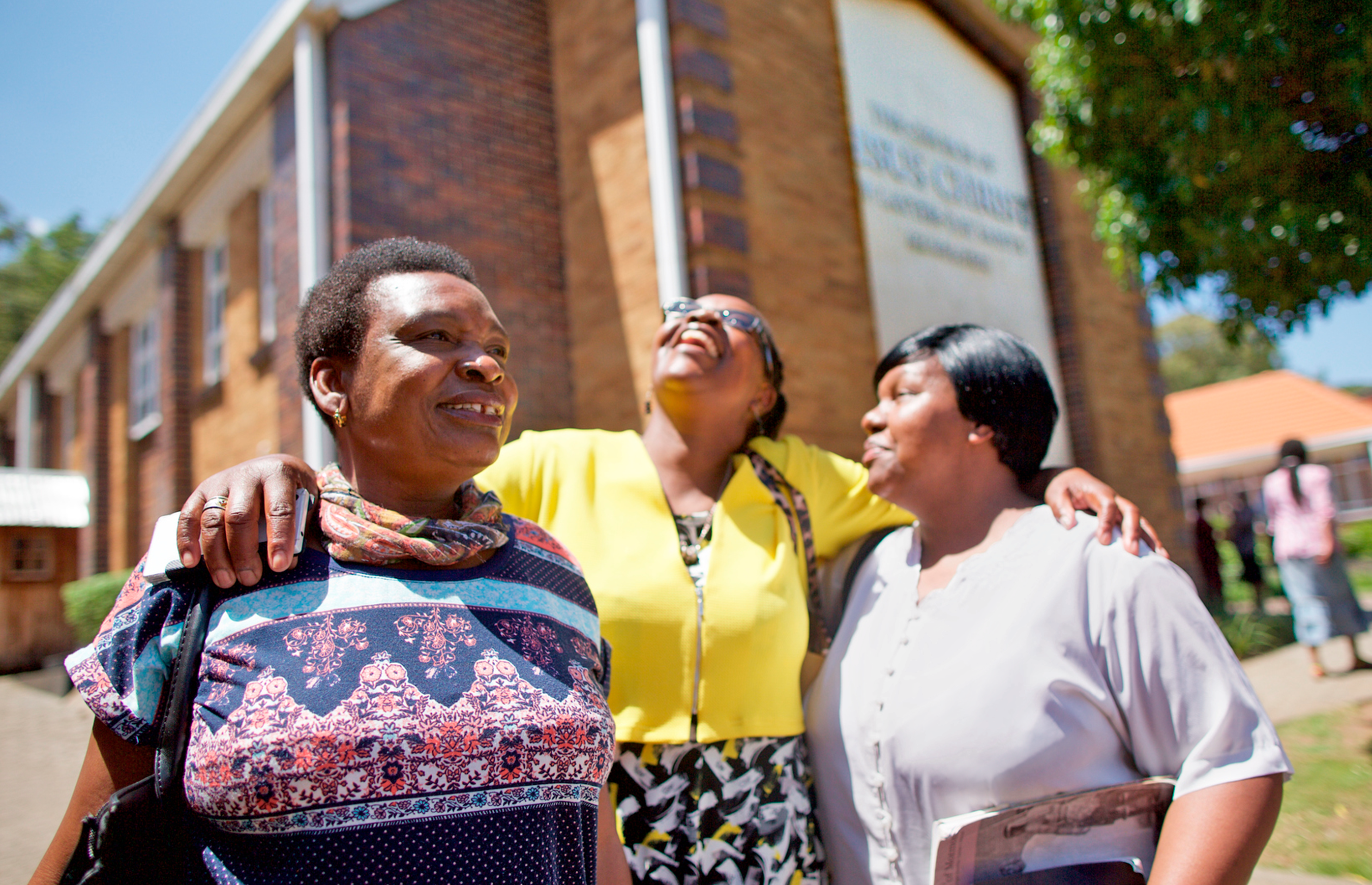
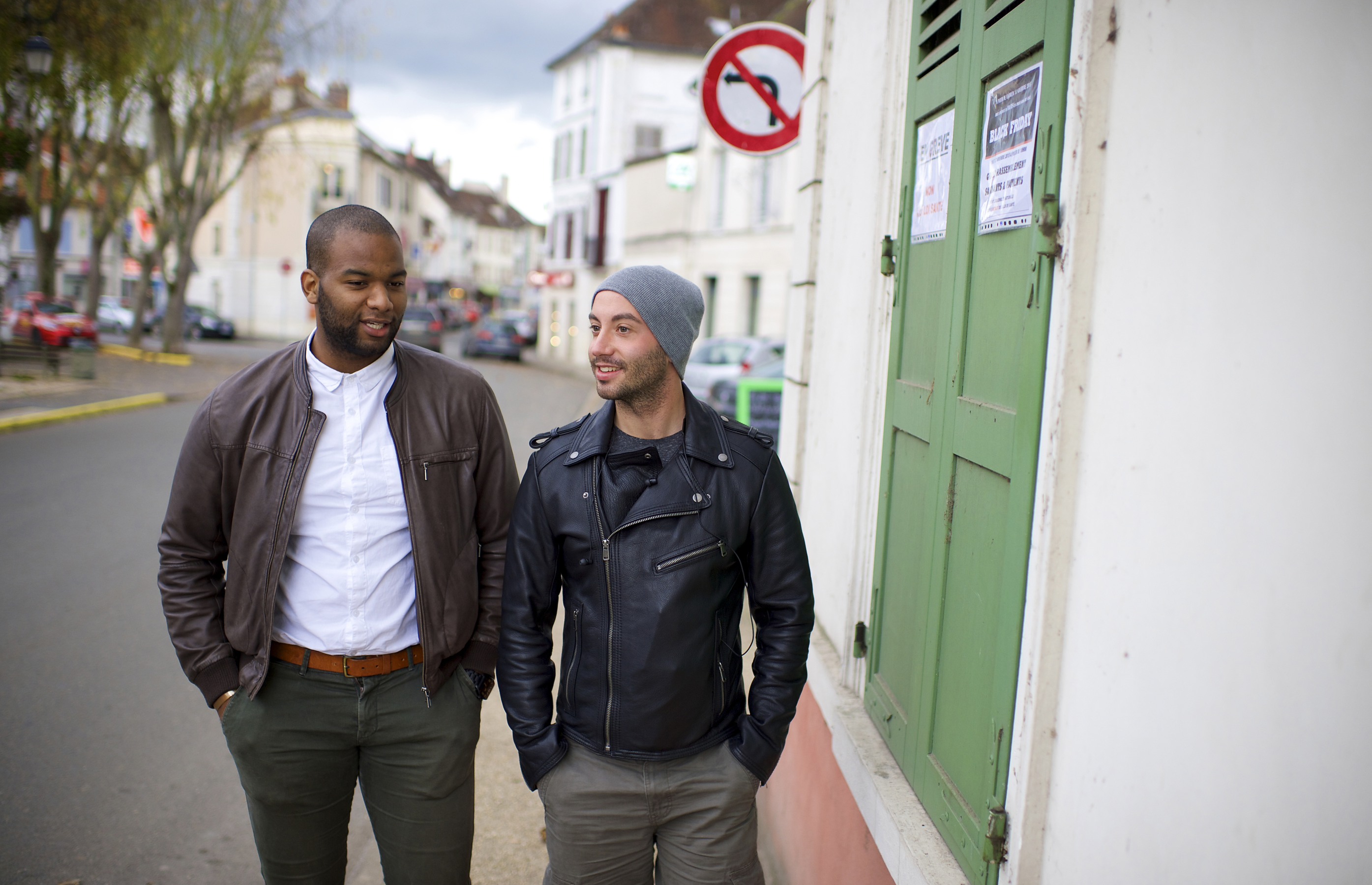
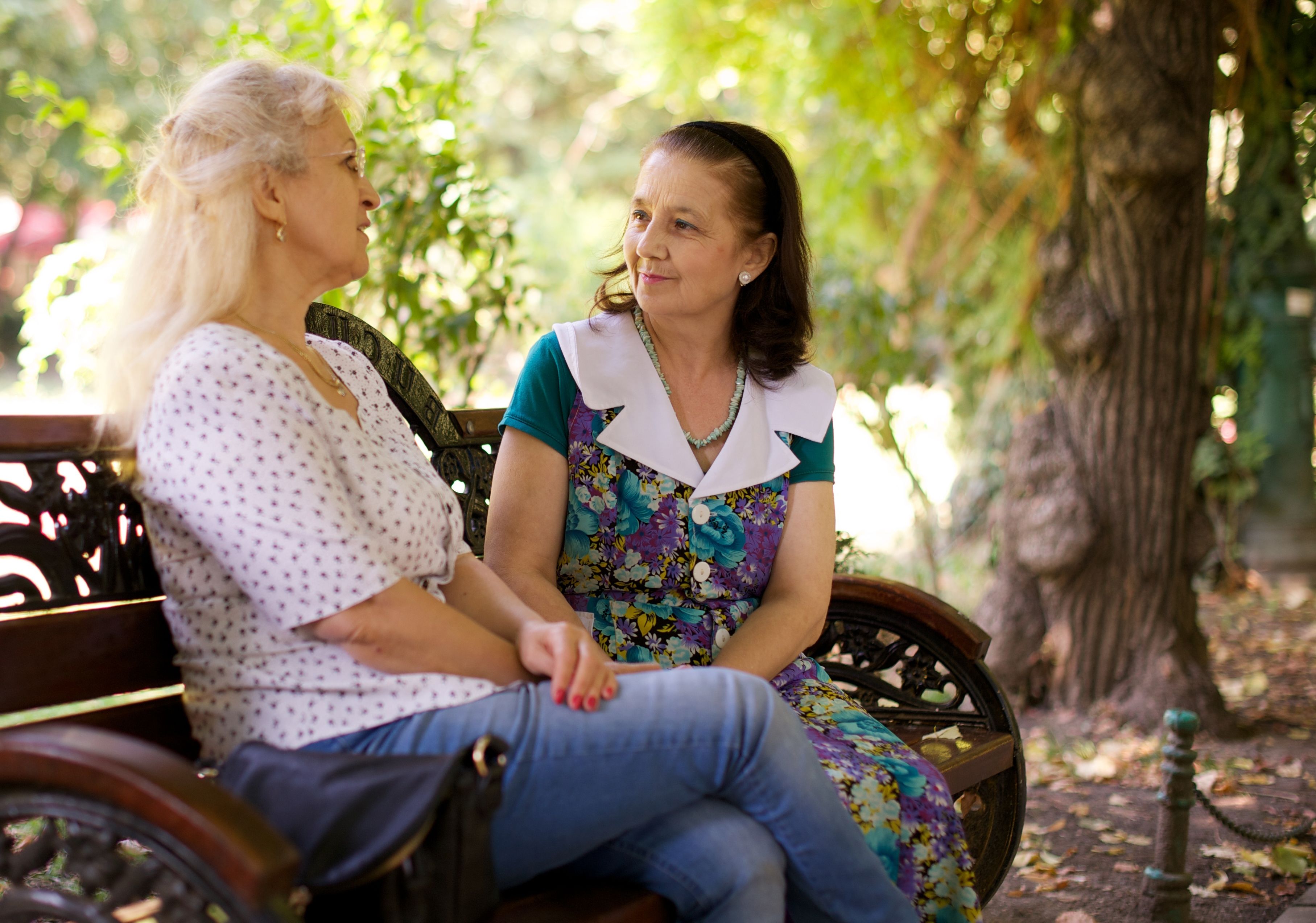
Watchcare looks like good friends sitting down on the couch sharing their joys. It looks like two
women walking the blocks in the early morning together, talking about the day before the crush of
problems and pressures begin. It looks like a sister choosing to sit by a mother in church with a
young family who could use an extra set of hands. It looks like two or three women in the temple
sitting quietly and at ease, the peace of the temple being the bond between them.
Watchcare feels like someone is there for you. It feels like you can call and not be embarrassed to
ask for help. It feels like you are stepping in as the Lord's representative. It feels responsible and
responsive. It feels like you have a charge from the Lord and you know you are the one He has
called to bless a sister's life.
Watchcare sounds like a quiet voice. It sounds like a voice that is happy to hear from you, like a
voice that makes you feel at ease because you dared call or you knew whatever you were going to
say would be received with an understanding heart. It doesn't sound hurried or hassled or angry. It
is consistent and honest and fair. It's a voice that can be trusted.
Watchcare requires both giving and receiving; visiting teaching blesses both the giver and receiver.
In the process of fulfilling our visiting teaching assignment, we become more like our Savior, Jesus
Christ. We fulfill our covenants to "teach one another the doctrine of the kingdom,"9 so that each
woman is nourished by the good word of God. One Relief Society sister said to me, "I have five
friends, and in the time we've known each other, I've never heard them testify of Christ." Women
are hungry for things of the Spirit, for truths that counter the slide of virtues all around them.
Women bless each other as they share what they have learned, as they bear their testimony. There is
a power in hearing one another testify.
I'm reminded of Sally who lived in an apartment in chaos. She had two bunk beds in the front
room. She was raising a grandson with multiple disabilities, and two adult sons were living with
her. One had mental problems. I was assigned as her visiting teacher, and I was discouraged. I
looked at her situation and I remember thinking, "I can't change this all for her." A scripture came
to my mind: "Wherefore, be faithful; stand in the office which I have appointed unto you; succor the
weak, lift up the hands which hang down, and strengthen the feeble knees."10 That was my
assignment. I sent Sally the Ensign. When I visited, we shared our faith. She was the only member
of the Church in her family, and she delighted in talking with me about the Lord. Sally was always
happy. She was positive, and when I left our visits I would think, "I need to fix my life and be more
happy and more positive." I learned from Sally. She had taken to heart President Hinckley's
counsel, "Do the very best you can."11
What stands in the way of doing our best in our visiting teaching, in providing watchcare? As I
listen to Relief Society presidents, they say that visiting teaching is one of their biggest challenges.
Sisters, aren't we always tested on the things that matter most? I believe visiting teaching is the
heart and soul of Relief Society, and because of this, we will encounter opposition. President
Hinckley has said, "I hope that . . . visiting teachers will experience two things: first, the challenge of
the responsibility that is in their great calling, and second, the sweetness of results from their
work."12
A sister living in a high-rise apartment was assigned to visit teach a sister in her building. She
called the sister she was assigned to visit many times over a few months, always leaving a message
because there was never an answer. Her calls were not returned, so each month she stuck a copy of
the message with a little note on the unreachable sister's door. After seeing one of her notes still on
the door the next month, she decided to mail her messages, thinking that this sister might travel.
One day this visiting teacher came across a stranger in the elevator. They introduced themselves,
and when the woman heard her name she said, "You're my visiting teacher!"
The visiting teacher later shared, "Little did I know that each message was opened and read. She
remembered my name and appreciated my overtures. . . . I learned that she spent much of her time
traveling. In the elevator she told me how much my little message meant to her. When she was in
town she often called for a brief chat or to ask a question. In time I made a friend. I learned that she
and her husband were struggling with inactivity. Her children were urging them to return to full
participation in Church. When she is in town she now knows there is someone at church that will
recognize and welcome her. I needed this friendship, and it was only through doing simple, small
visiting teaching gestures that I have been rewarded."13
Visiting teachers carry into the home the purpose of Relief Societyto assist the priesthood in
carrying out the mission of the Church to help women and families come unto Christ. It is a sacred
trust we have been given. We can overcome the obstacles.
Administer and Minister
As Relief Society leaders we are called to both minister and administer. When the Savior called His
disciples to go out two by two, He was administering a program to serve others. The Savior also
ministered to those He called. He even washed their feet. Those of you who serve as a stake Relief
Society president do likewise. You administer as you teach the programs of Relief Society; you
minister as you listen, encourage, and meet the needs of your ward Relief Society presidents.
Let me share a few thoughts on the administration part of visiting teaching.
As a ward Relief Society president, I remember I made a huge chart with the names of each sister in
the ward and who was assigned to visit teach them. I prayed about everyone on the list and those
assigned to visit them. I thought about the needs of each sister. After I had prayerfully made the
assignments, I reviewed it with my presidency. They gave me some suggestions. I continued to seek
inspiration on each assignment. If I feel strongly about anything, it is that the president has the
mantle of the calling and is entitled to receive inspiration from the Lord. This inspiration cannot be
delegated.
Ward Relief Society presidents, one thing I didn't do, but that I would strongly encourage you to
do, is to take that list to your regular meeting with your bishop. This is a time to be able to share
and let him review the proposed assignments. He may have information that will help bless an
individual sister. If you are a stake Relief Society president, give an update to the stake president on
visiting teaching efforts. Seek his counsel. I believe that if visiting teaching is done right, the load
of a bishop and a stake president will be lightened.
When you invite a sister to be a visiting teacher, she needs to know that you have been prayerful
and feel confident that her assignment has been inspired. In the words of President Hinckley: "I
honestly believe that [visiting teachers] will taste the sweet and wonderful feeling which comes of
being an instrument in the hands of the Lord. . . . It is not a heavy burdenit just takes a little more
faith. It is worthy of our very best effort."14
Once assignments have been given, how do you know if things are working? One of the ways we
can find out is by conducting annual visiting teaching interviews as described in the handbook. One
stake Relief Society president shares why these interviews are so important. "Interviews are
imperative to the success of our Relief Society program. . . . They provide accountability. . . . They
provide valuable information about interests, talents, strengths, concerns, challenges of our sisters.
This regular, valuable feedback should feed into presidency meetings to create a whole new world
of possibilities. Interviews facilitate proactive prevention and preparation. They help to educate
presidencies about issues so that they can act rather than react."15
At least annually, visiting teachers should be interviewed. But do you have to wait to receive
information just once a year? No. Remember your visiting teaching supervisors? They can be a
great resource. Train them to ask about sisters, not just about numbers. Train them how to ask and
what to ask to keep you informed about your sisters' needs.
Flexibility
One more important element of visiting teaching is flexibility. We need to make visiting teaching
work in our wardsone sister at a time. Visiting teaching has as many faces and configurations as
Relief Society has sisters. The ideal is that each sister is contacted each month. Each Relief Society
president, in counsel with her priesthood leaders, needs to shape a visiting teaching program for her
sisters. Regular visits, phone calls, notes in the mail, treats, a visit at church, a gathering of several
sisters, a lunch meeting, all can be incorporated into visiting teaching. Keep in mind that flexibility
addresses when, where, and how but does not discount the importance of watchcare.
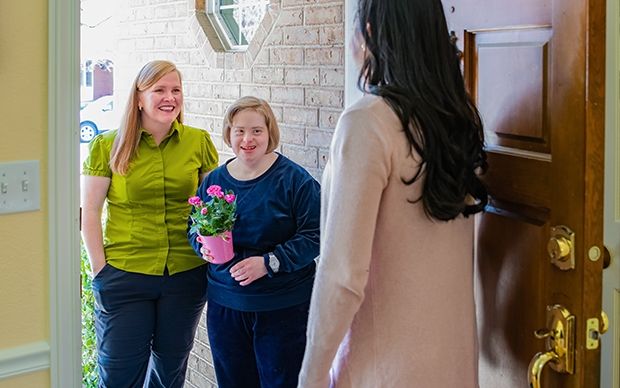
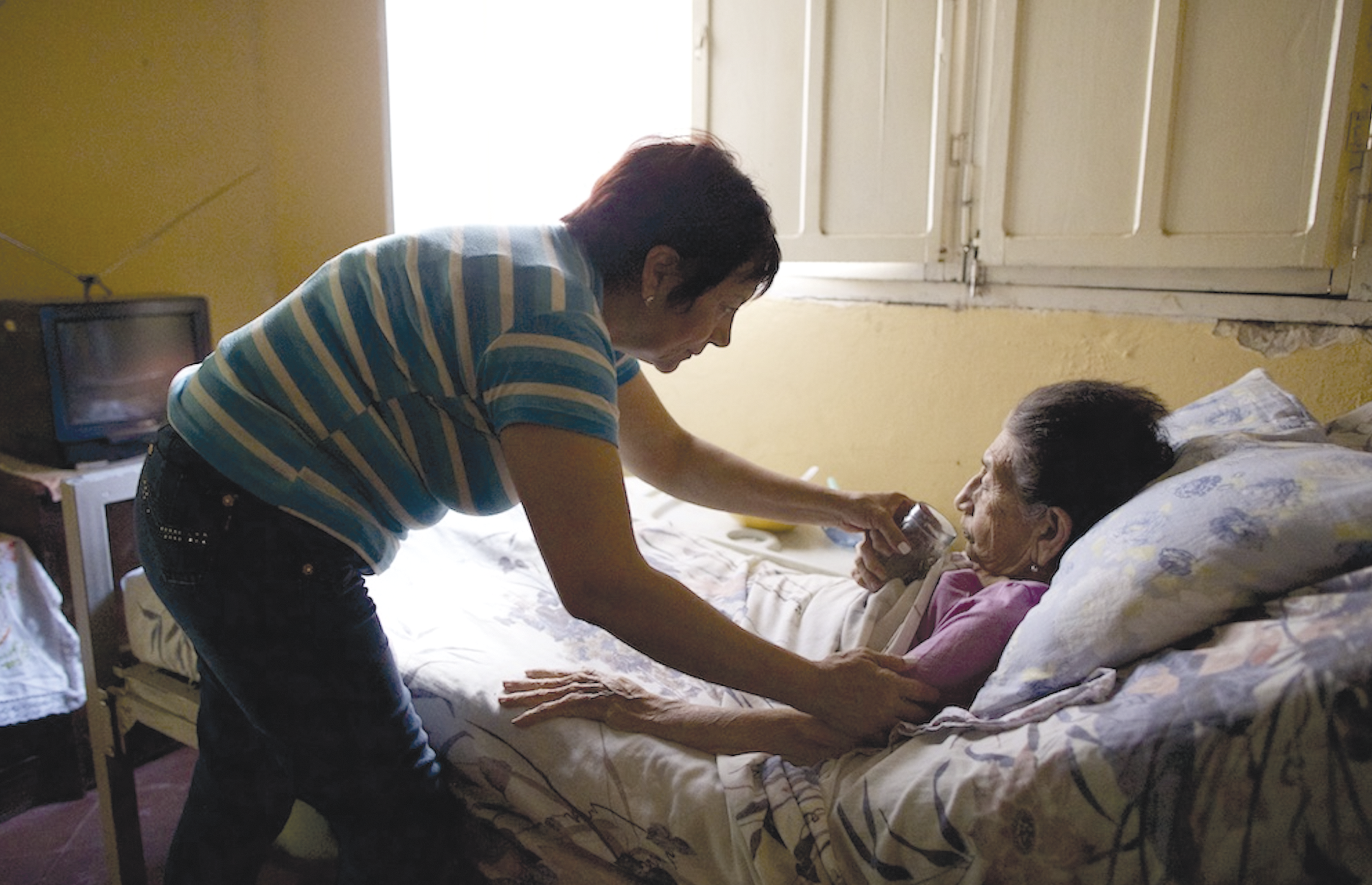
Every morning at 6:00 a.m. Diane and Lois turn their key in the back door of their neighbor's home
and quietly set out a grid of medication to be taken that day by the elderly couple still asleep
upstairs. They've been caring for this sister and her husband for more than five years. Their visiting
teaching has extended beyond the monthly report to daily contact.
Joan and Ruth walk in the cemetery to get in their visits. Joan doesn't have a companion; the ward
is on overload. At first glance the two have little in common. Joan is single; Ruth is a mother of five
sons. Joan is blind, but that hasn't stopped her from sharing the visiting teaching message with her
friend. Joan memorizes the scriptures in the lesson, and then the two talk about them as they walk.
These two sisters in the gospel have become dear friends. When I picture them, I hear the words of
the Primary song, "Lead me, guide me, walk beside me."16
How visiting teaching is accomplished may vary from one area to the next. We need to keep
flexibility in mind. In the letter from the First Presidency dated December 10, 2001, on "watching
over and strengthening members," suggestions were given with possible local adaptations to meet
needs regarding home and visiting teaching. One paragraph reads: "There are some locations in the
Church where, for a time, home [or visiting] teaching to every home each month may not be
possible because of insufficient numbers of active priesthood brethren and various other local
challenges. When such circumstances prevail, leaders should do their best to use the resources they
have available to watch over and strengthen each member."17
Sisters, counsel with your priesthood leaders as you prayerfully consider how to watch over and
care for the sisters in your units. I know a monthly visit is best. But if monthly visits aren't possible,
please don't do nothing. Be creative and find a way to connect with each sister via a phone call, a
letter, or a visit at the church. Remember, the Church Handbook of Instructions states that once
each quarter each sister should receive a face-to-face visit.18 Our hope is that circumstances will
allow for more.
Sharing the message from the Ensign or Liahona is central to watchcare. For many of our sisters
this is their only spiritual contact. It's in the sharing of the message where sisters build each other.
Before visiting teachers go into a home, they should pray, study the message together, and consider
the needs of the sisters they visit by asking questions like, "What within this message would be of
help? What would meet her needs and lift her spirits?" It may be just a verse of scripture, but it is an
opportunity to share. I think bonding begins when we share together as women. Visiting teaching is
missionary workreading the message, and then sharing what you believe the scripture means to
you and saying, "What do you think about this scripture? How does it feel to you?" It's a dialogue
together. It's sharing of hearts and testimony.
I have had sisters ask me, "If you don't share the message, does the visit count?" Sisters, remember
the principle of flexibility and watchcare. Let me share with you an experience of a young adult
sister in a student ward. You decide if this visiting teacher's efforts count.
"While I was away at school, I was given a younger companion and one sister to visit. We had only
her e-mail address and a post office box number. We couldn't find a phone number from any
source, so we would e-mail her or send her a note each month. We heard nothing from her, but we
kept up our messages. It wasn't until the end of the school year that she responded to us. She told us
that what we had done had meant a lot to her. It was a huge payday for us!"19
Effective visiting teaching will help put the heart and soul back into Relief Society. Start with your
presidency. Each of you take an assignment as a visiting teacher and report back on your own
experiences. From there move to your teachers and ask them to be faithful visiting teachers. Sisters,
I know this will work. I know there is great power in example.
Consider having a first-Sunday lesson where you discuss just this question: "How has visiting
teaching blessed your life?" I find it interesting that visiting teaching seems to be so hard, yet the
sweetest, most tender stories shared are about visiting teaching experiences. There is great strength
in hearing the testimonies of other sisters.
Visiting teaching can be a means of strengthening the members of the Church. President Hinckley
has said: "I believe our problems, almost every one, arise out of the homes of the people. If there is
to be reformation, if there is to be a change, if there is to be a return to old and sacred values, it
must begin in the home. It is here that truth is learned, that integrity is cultivated, that self-discipline
is instilled, and that love is nurtured. . . . If anyone can change the dismal situation into which we are
sliding, it is you. Rise up, O women of Zion, rise to the great challenge which faces you."20 Sisters,
we can help meet this charge with visiting teaching.
Invitation
Here are three invitations I would like you to consider. Will you choose one that you'll commit to
work on for the next six months?
First, reread the sections in the Church Handbook of Instructions that deal with visiting teaching
and evaluate your efforts.
Second, teach visiting teaching principles in a stake leadership meeting or in a first-Sunday lesson.
Third, review your current visiting teaching assignments and prayerfully look at each sister and
those assigned to teach her. Are the companionships still what the Lord would have happening in
your ward?
I look forward to hearing you share your successes in six months.
Conclusion
Though times have changed, times are much the same. We visit today as they did more than 150
years ago. We report back, and we visit again. The ideal is that each sister is contacted every month.
But we also recognize that every ward's resources are different and must be managed wisely and by
inspiration. Visiting in homes gives us perspectives into the needs of the family and their individual
circumstances. Visiting each month keeps us close to our sisters and helps us discern their needs
and how to address them. Sharing a spiritual message elevates our contact, unites our faith, and
brings each sister into the circle. Sisters, we can do that.
Our assignment is not only to make visits but to consistently carry the Spirit into homes, to bless
families with the pure love of Christ, to inspire, encourage, lift, and fortify. Every home is in need
of additional support. Visiting teachers bring that blessed reinforcement. It is a sacred trust we have
been given. We can overcome the obstacles.
We are women of covenant! Every time we watch over one another, godlike qualities of love,
patience, kindness, generosity, and spiritual commitment fill the souls of those we visit and enlarge
our souls as well. In the process, we honor our covenants. I see legions of faithful sisters around the
world going forward on the Lord's errands, performing simple yet significant service. Why do we
do visiting teaching? Sisters, it's because we've made covenants. Mosiah described it this way: "To
bear one another's burdens, . . . to mourn with those that mourn, . . . comfort those that stand in need of
comfort."21
The adversary wants us to fail in our calling. He will constantly throw obstacles in our path to keep
us from serving and growing together in our understanding of the doctrines of the gospel. He has
launched a full assault on the home and family. Yet we know, in the end, that Satan will not win.
The Lord's prophet, and the Lord, can count on us to fulfill our charge. In our visits we can teach of
eternity. Placing the temple within reach of our sisters is an important part of our watchcare.
Let me tell you about Melinda and Raquel. Melinda visited Raquel, whose husband was not a
member of the Church. Over the years, by simple acts of service, Raquel warmed to the idea of
attending church. The home teachers worked with the visiting teachers, and her husband was
introduced to the gospel. In repeated visits Raquel shared her desire to have her family together
forever, but she did not recognize that those blessings were predicated on temple covenants. The
two visiting teachers fasted and prayed about what the Lord would have them say to Raquel. At
their next visit they spoke of the temple, and Raquel wept as she spoke of her desire to make temple
covenants. Suddenly, the visiting teacher found herself saying, "Tell your husband that you love
him and your children so much that you want to be sealed with them forever." Her companion
added, "Set a date one year from now." The next month Raquel announced that she had talked with
her husband and he had set a baptismal date. One year later the two visiting teachers were in the
temple with Raquel and her husband as they made sacred covenants and were sealed. Raquel is now
Melinda's visiting teaching companion.
We don't "do" visiting teaching. We "are" visiting teachers. And in the process of fulfilling this
most precious assignment, we become more like our Savior, Jesus Christ. We fulfill our covenants
to teach one another the doctrine of the kingdom so that each woman is nourished by the good word
of God. Women are hungry for things of the Spirit, for truths that counter the slide of virtues all
around them. Visiting teaching is a measure of the heart, an unselfish work, a sacred trust that
blesses both the giver and the receiver.
I love being a visiting teacher; I always have. I love the messages based in the scriptures. It allows
for conversing back and forth about what a scripture means. In the process we learn so much about
each other as we share ideas.
Each one of us has a story of how we've been touched by the love of a sister. This is one of the
ways that the Lord blesses us. He works through others. At the end of a first-Sunday lesson on
keeping covenants, the Relief Society president presented a basket with names of sisters written on
slips of paper. They were names on the ward list, but not names with faces. They had no visiting
teachers. The president asked the sisters if they would take a name and go find the sister, reach out
to her, invite her back, and report their experience. She also encouraged sisters to visit those who
asked for "letter only" or visits "every six months." The Relief Society mobilized and connections
were made with sisters who had long missed a gospel influence in their lives.
Dear sisters, I love visiting teaching. It works. I hope you open your schedules and your hearts as
well as your doors as you experience the heart and soul of Relief Society; as you experience
support, comfort, and friendship; as you experience watchcare. This is a great work watched over
and cared for by Almighty God. Of this I testify, in the name of Jesus Christ, amen.
Notes
1. Personal correspondence.
2. Church Handbook of Instructions, Book 2: Priesthood and Auxiliary Leaders [1998], 206.
3. Esther 4:14.
4.
Mosiah 18:89.
5. Mosiah 18:21.
6. Bible Dictionary, "Charity," 632.
7. Personal correspondence.
8. Church Handbook of Instructions, Book 2, 202.
9. D&C 88:77.
10. D&C 81:5.
11. Gordon B. Hinckley, "Women
of the Church," Ensign, Nov. 1996, 69.
12. Gordon B. Hinckley, "Instruments
of the Lord," Ensign, Mar. 1997,
27.
13.
Personal correspondence.
14.
Gordon B. Hinckley, Ensign, Mar. 1997, 2728.
15. Personal correspondence.
16. "I
Am a Child of God," Children's Songbook, 23.
17. First Presidency letter, 10 Dec. 2001.
18. Church Handbook of Instructions, Book 2, 202.
19. Personal correspondence.
20. Gordon B. Hinckley, "Walking
in the Light of the Lord," Ensign, Nov. 1998, 99.
21. Mosiah
18:89.
|